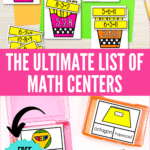

Math centers are a bit of a buzzword in the elementary teacher world, but as a guided math instructional coach and current math intervention specialist, I can tell you, they are far more than just “buzz.” Math center activities are the key to creating independent learners, thinkers, and problem-solvers. They’re what allow you to spiral review important math skills and give your students meaningful opportunities to practice, while also serving all of your students at the small group table.
Now, I know that a lot of teachers struggle with planning, organizing, and managing behaviors during math centers, but they do not have to be fancy or complicated to be effective. In fact, some of my most impactful math center activities use just a pair of dice and a whiteboard.
In this blog post, I’m sharing a huge list of hands-on math center activities that you can use in your elementary classroom (specifically in 1st-3rd grades). Many of these activities use materials you already have, while others only require a little bit of prep upfront for many years of use!
Are you ready to transform your math centers, without a ton of work or overwhelm? Let’s dive in!
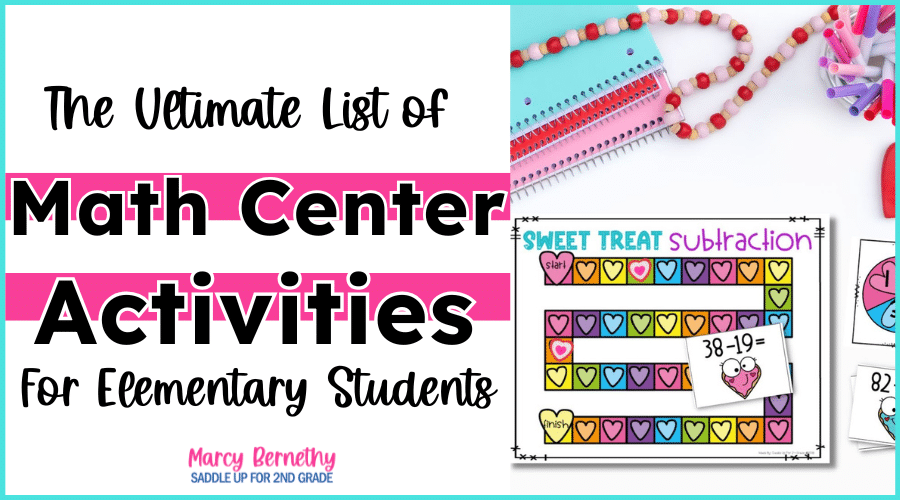
Math centers are such an important part of the guided math framework because the responsibility of learning shifts from the teacher to the students. During math centers, students use a variety of hands-on, engaging activities to spiral review skills previously taught.
Students are able to work independently at their own pace, which is great for differentiation. While students are working on math centers, this gives the teacher time to focus on working with small groups at the teacher table, giving them the tailored instruction they need.
“But Marcy, what about managing student behaviors and keeping them engaged and on task?!”
I knew you’d ask that, and there are 3 keys to making math centers really work:
Today, we’re diving into the 3rd key and breaking down different types of math center activities you can rotate through during your math block.
Before we dive in, fill out the form below to get 70+ small group math activity ideas sent straight to your inbox… for FREE!
Great for reinforcing specific standards and skills.
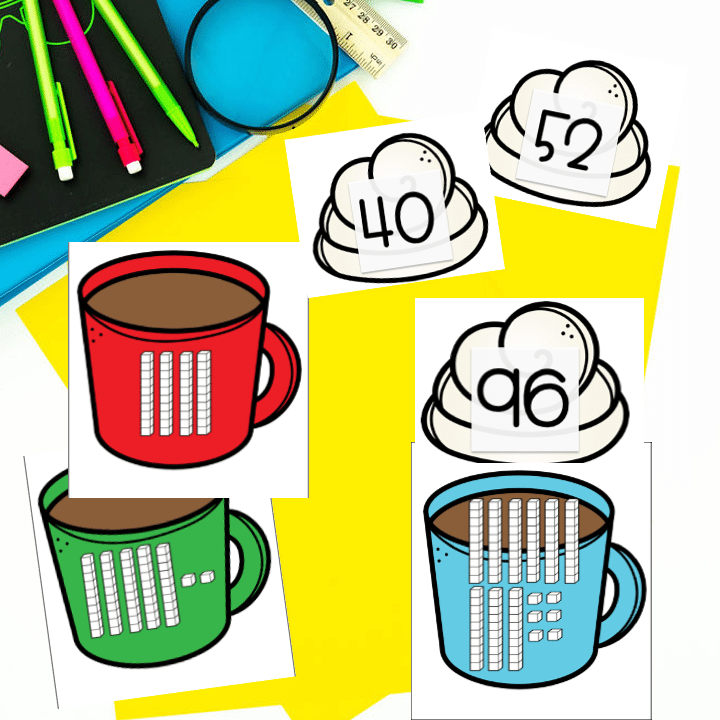
Skill-based math center activities focus on targeted skills and work great for spiral review and practice.
Examples of skill-based math center activities include:
Skill-based centers work best when expectations stay the same but the content changes.
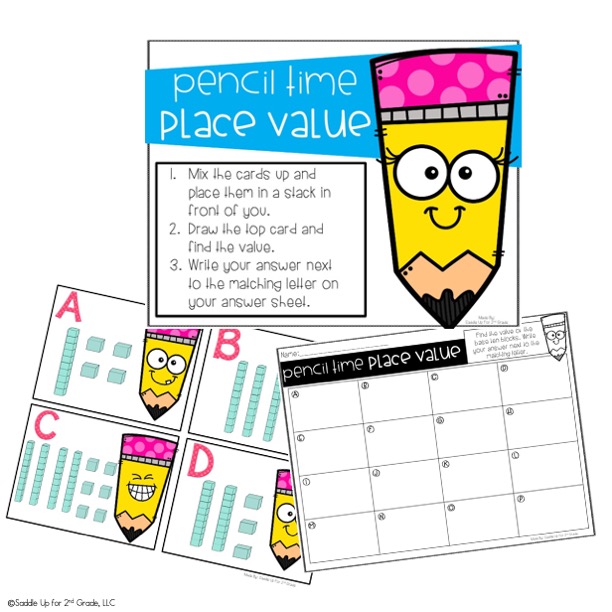
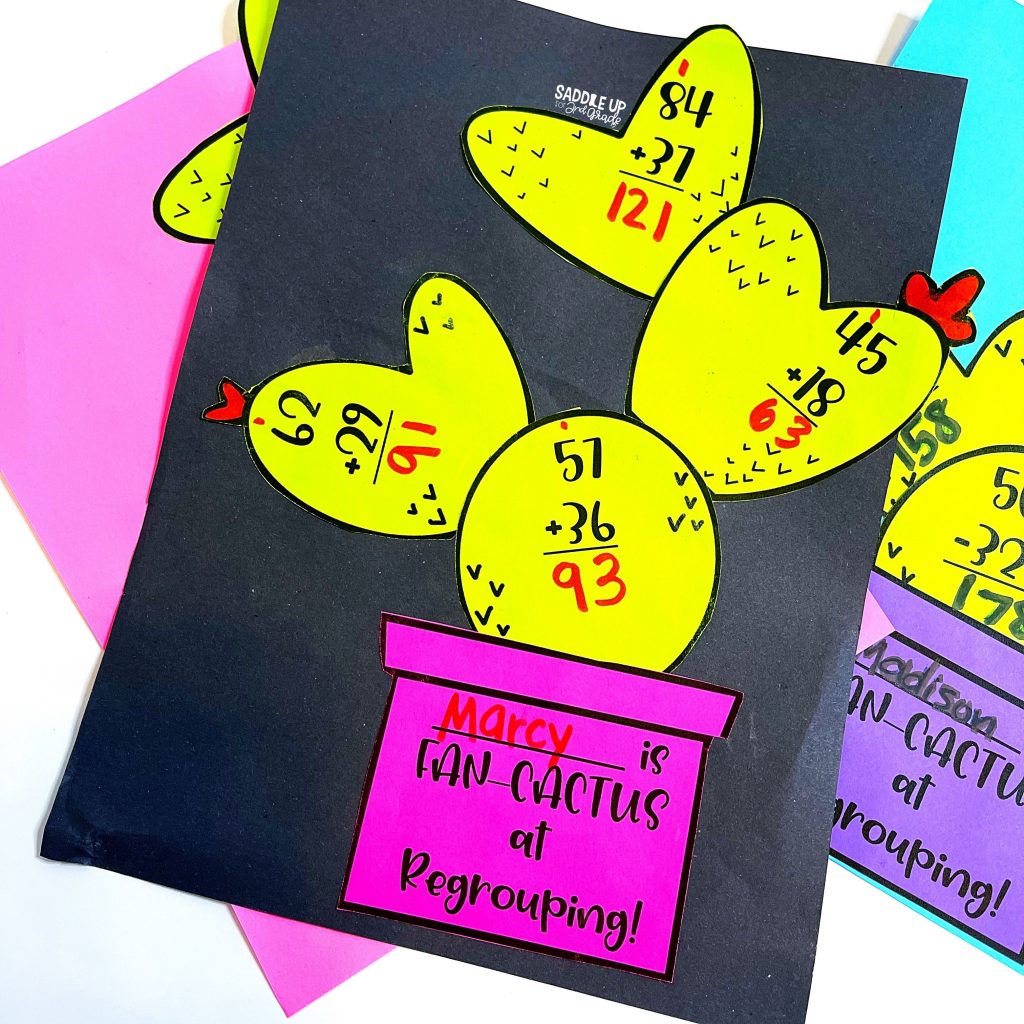
Perfect for independent or low-prep stations.
These hands-on math centers are easy to prep and use all year long:
These math center activities are especially helpful when you want something students can complete quietly and independently.

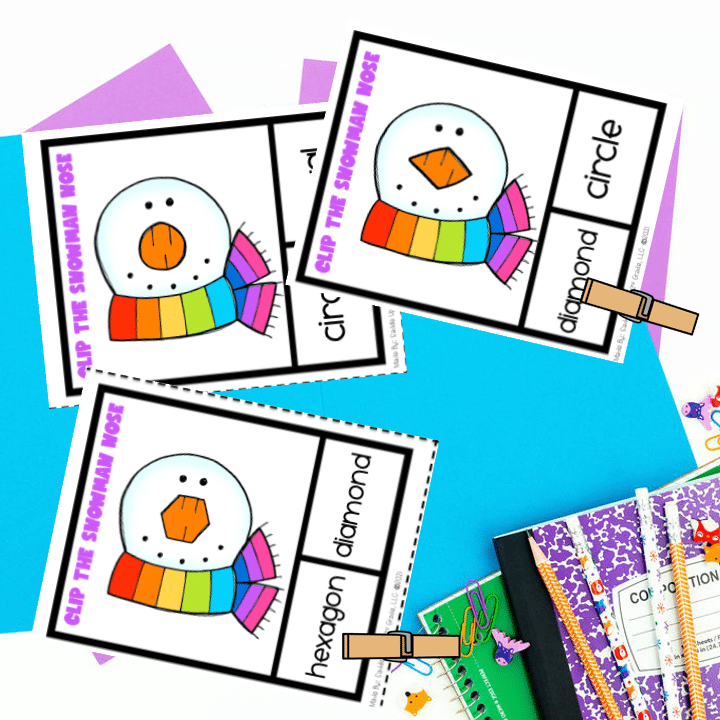
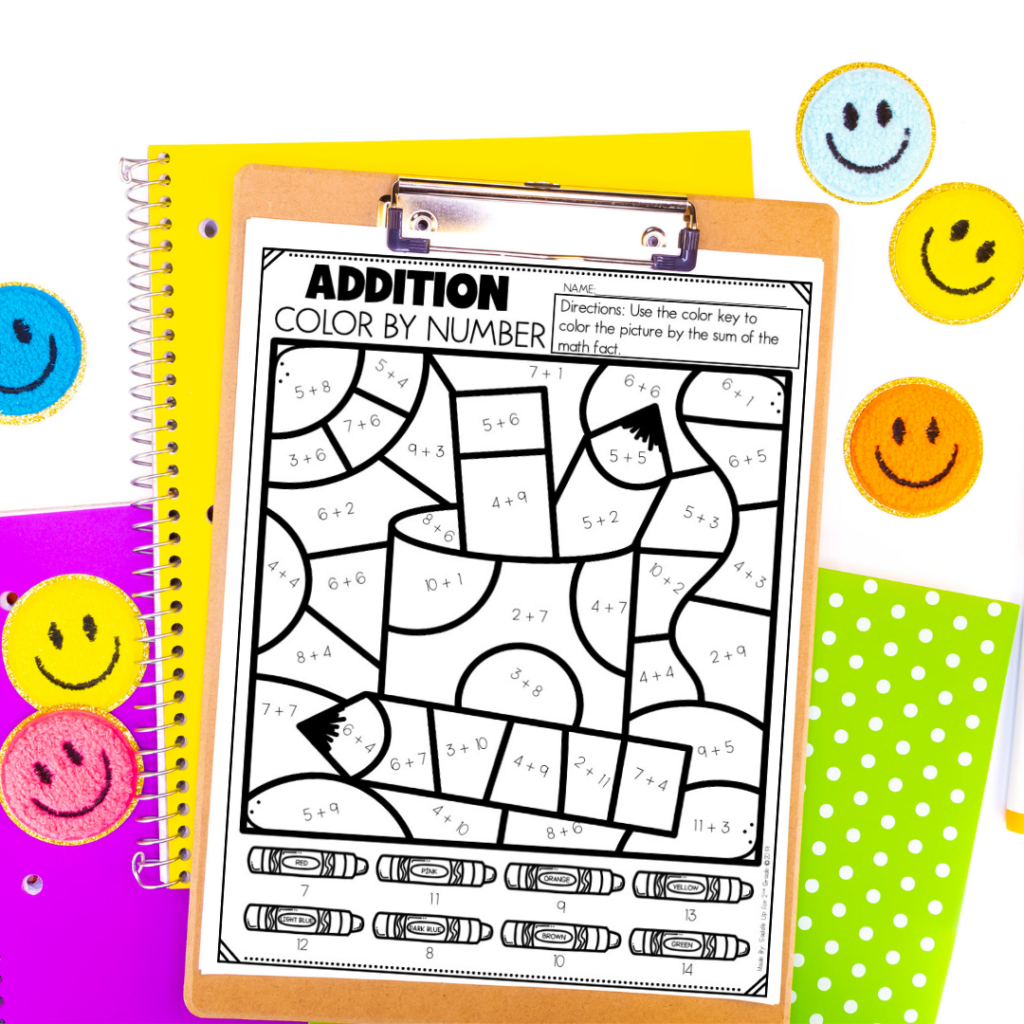
High engagement, lots of learning.
Game-based math center activities keep students motivated while reinforcing skills:
These game-based centers work best when rules stay consistent and students already know how to play.


Hands-on learning made easy with manipulatives you already have on hand.
Manipulatives are a must for hands-on math centers, especially in the elementary grades. And yes, sometimes all you need for a math center activity is a set of manipulatives to explore and solve with!
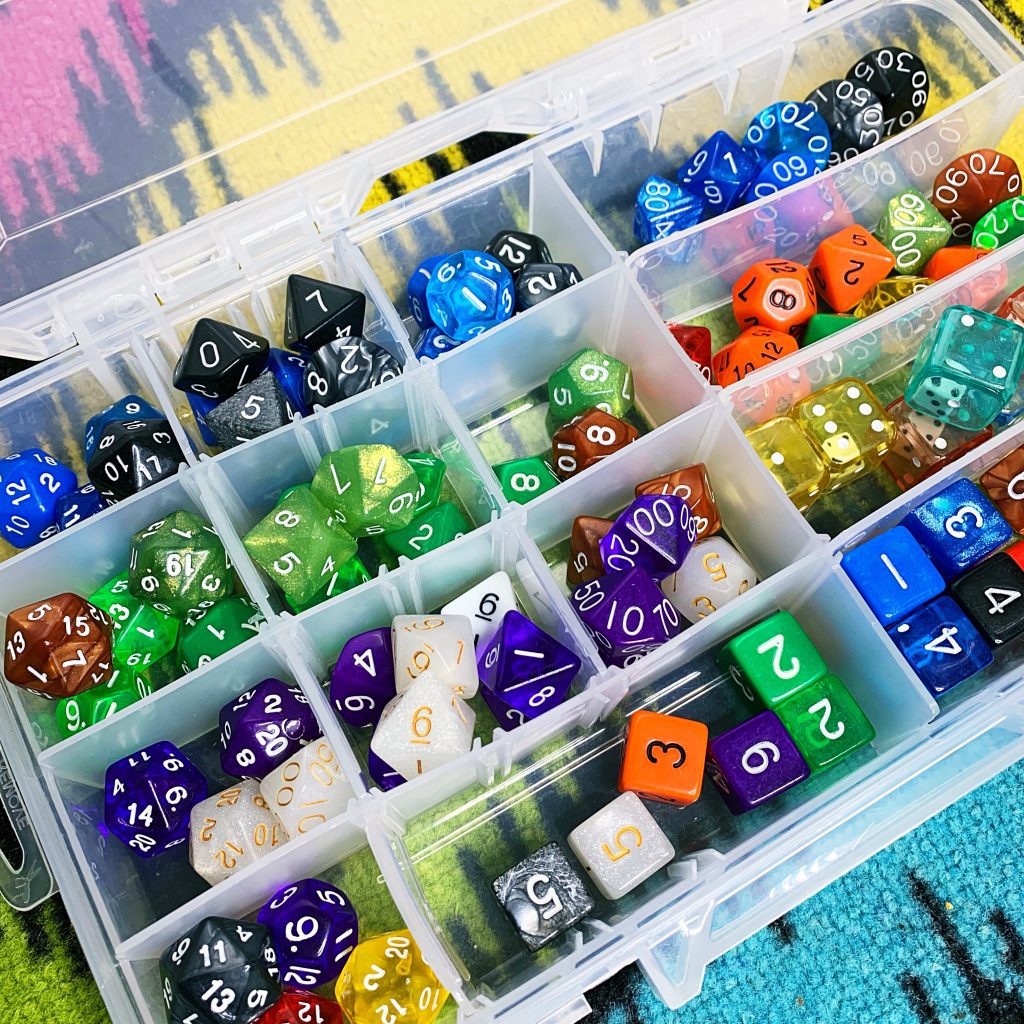
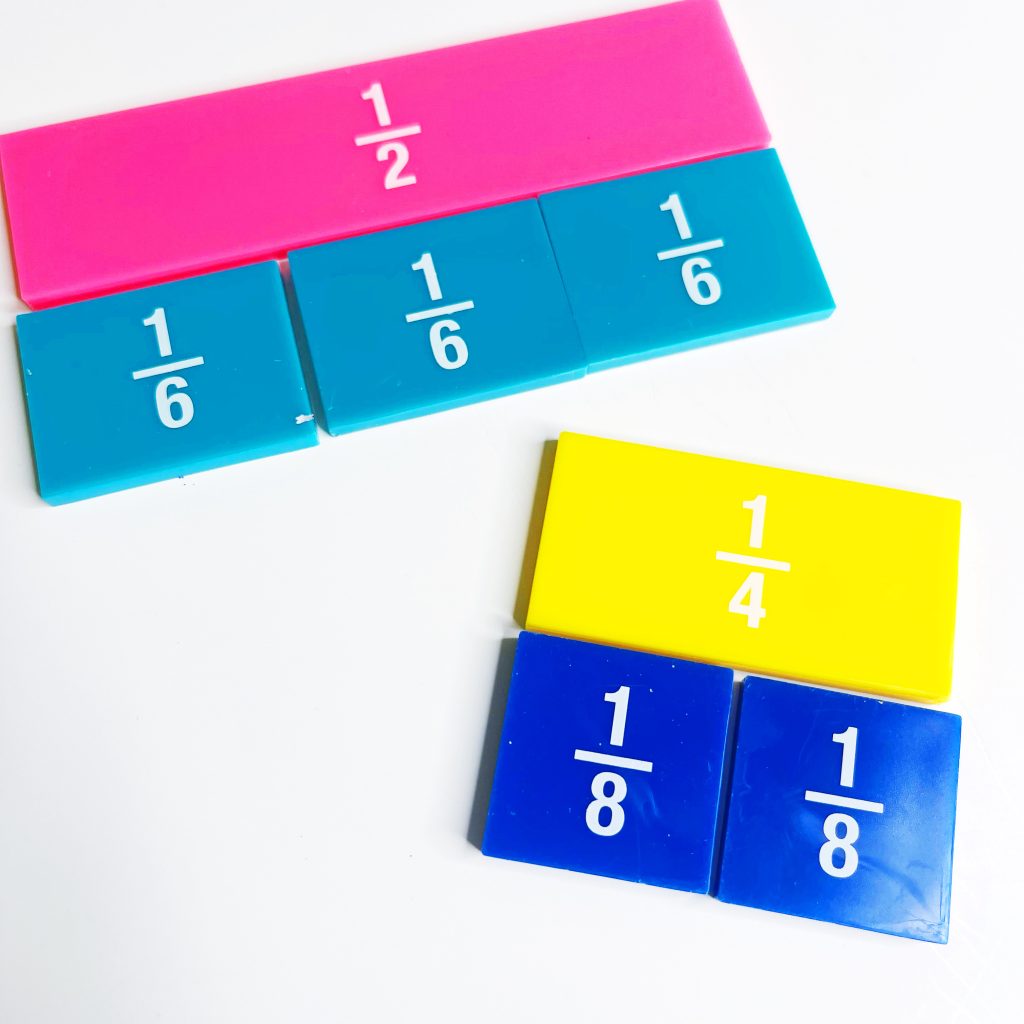
Some of my favorite manipulatives for math centers are:
These tools help students see math concepts instead of just memorizing steps or strategies.

Excellent for building strong mathematical foundations.
Number sense activities are essential in elementary math centers.
I like incorporating number sense tools into my math centers, such as:
These centers are especially effective in 1st and 2nd grade, but still valuable for review in 3rd grade.


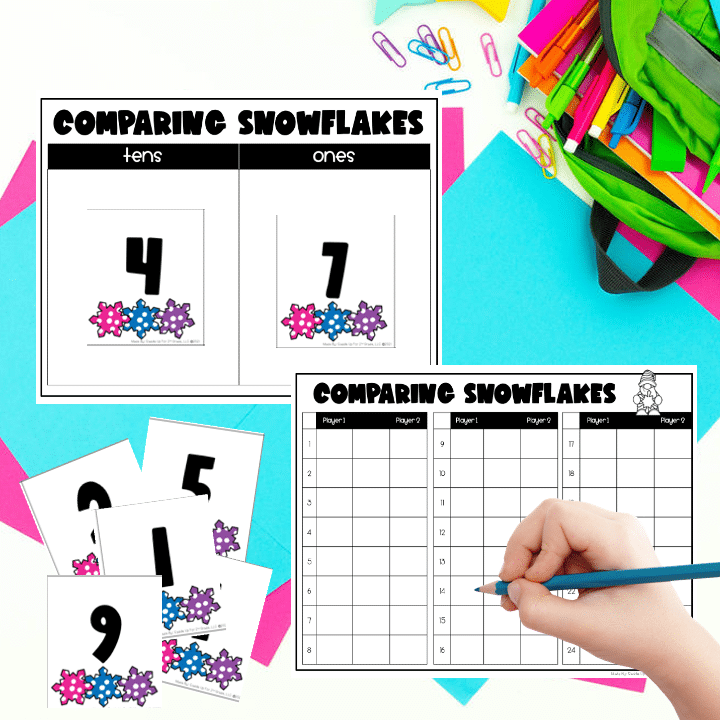
Coming up with math center activities is the easy part. Planning for them, organizing them, and managing student behaviors is where the real work comes in.
Remember: you don’t need brand-new math centers every week.
It’s actually better if you stick with the same types of centers and change up:
This keeps it predictable for the kids (key for keeping behaviors in check!) and keeps planning simple for you.
Kids thrive on consistency, so keep that in mind!
If you love these math center activity ideas but don’t have time to create everything from scratch, I’ve got you covered.
I’ve created tons of done-for-you monthly math center and skill-based math center sets! These math centers include a variety of the center activities shared in this blog post, all in one easy to use resource.
In my website store, you’ll find:
Join my Inner Circle Math Membership for just $10.99/month to get instant access to ALL of it, all in one place!
I know, it sounds too good to be true, but it’s not!
I wanted a place to be able to provide elementary teachers with everything they need to teach and differentiate math with success and ease, and this is it.
This membership is a growing library, so I’ll continue adding new products to it throughout the year!
Inside the membership, you’ll find activities and resources for every single math center activity I listed in this blog post (plus more!).
It’s perfect if you want consistent, ready-to-use math resources without constantly searching Pinterest and TPT for new ideas.

Math centers don’t have to be overwhelming. With a mix of hands-on math activities, reusable tools, and predictable routines, you can create math center activities that work for you and your students.
Whether you’re using materials you already have or leaning on done-for-you resources, the goal is the same: engaged students and stress-free math time.
If you enjoyed this post, you’ll love my book, Small Groups, Big Impact.
I wrote it for real teachers like you who know small groups matter but aren’t sure how to make everything work and fit together. Instead of giving you more ideas to add to your already overflowing plate, I show you exactly how to build a guided math framework that works in a real classroom.
Whether you’re just getting started or looking to refine your current approach to small group math instruction, you’ll find practical strategies, classroom examples, planning systems, and data-driven routines you can implement right away.
Click here to grab your copy of Small Groups, Big Impact and start teaching math with more clarity and purpose.
Check out these helpful blog posts: