

Does your weekly math lesson planning have you spending every Sunday afternoon bouncing around between Pinterest, Teachers Pay Teachers, and your district curriculum, trying to figure out what you’re going to teach for the upcoming week? Creating elementary math lesson plans can be overwhelming when you’re trying to piece together warm-ups, whole group mini lessons, small group activities, independent practice, and assessments for every new skill.
Teacher friend, I’ve been there too, but I’m also here to tell you… your weekends and evenings are supposed to be yours, and I’m here to help that become your reality!
It all starts with one big mindset shift… stop planning one activity at a time and start building a repeatable math lesson planning system.
Read on to learn how to make this shift and why it can save you hours every single week.
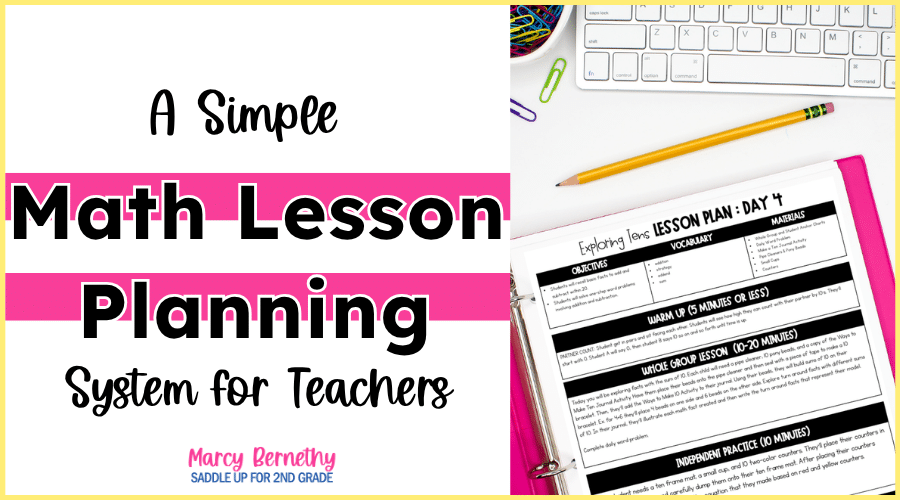
There’s a lot of hard things that come with teaching… behavior management, classroom organization, data analysis, and of course… lesson planning. More specifically… math lesson planning.
But I don’t actually think planning math is hard because teachers don’t know how to teach. I think it’s hard because most of us were never taught how to plan.
Instead, we sit down every week and ask ourselves, “What am I teaching on Monday?”
Then we start hunting for activities.
Before long, we’ve spent two hours collecting resources before we’ve even looked at the standards or thought about what students actually need to learn.
One of the biggest mindset shifts I ever made was learning to plan backwards.
Instead of focusing on what activities to have my students do, I started by first asking myself, “What do my students actually need to know by the end of this lesson?”
When I did that, my entire approach to lesson planning changed.
Now my planning process looks something like this:
What is the specific math standard or concept students are expected to learn?
Don’t just read the standard and write it on the board (for no one, including you to really understand!). Break it apart until you understand exactly what students need to know and be able to do.
Ask:
The goal is to understand the actual math behind the standard before you begin choosing lessons or activities.
Once you understand the standard, identify the most important ideas you need to teach. These become your teaching points.
Ask yourself, “What do I need to model, explain, or demonstrate so my students can understand this concept?”
For example, if students are learning about place value, your teaching points might include:
Your teaching points keep your instruction focused.
Instead of trying to squeeze every possible idea and activity into one lesson, you know exactly what students need to learn first.
The math concept guides your lesson, not the cutesy Pinterest activity.
Before choosing your activities, think about what students will do to demonstrate that they understand the skill.
Will they:
This step helps you plan with the end in mind. It also makes assessment feel less like one more thing you have to add at the end of your lesson. You already know what evidence of learning you’re looking for.
Only after I know what I’m teaching and how students will demonstrate their understanding do I start choosing resources.
Now, every activity has a job.
See the difference?
I’m no longer collecting random activities and hoping they somehow create a lesson. I’m planning actual math learning and then choosing the resources that support it.
Making that one shift saves me so much time because I’m no longer searching through hundreds of resources hoping one magically fits. Instead, I know exactly what I’m looking for.
Planning backward makes each individual lesson easier, but the real magic happens when you turn that process into a system you can use again and again.
You don’t need to reinvent your math block every week.
Your specific standard and teaching points may change, but the questions you ask yourself will stay the same:
That becomes your math lesson planning framework, which will also help you create consistency within your math block.
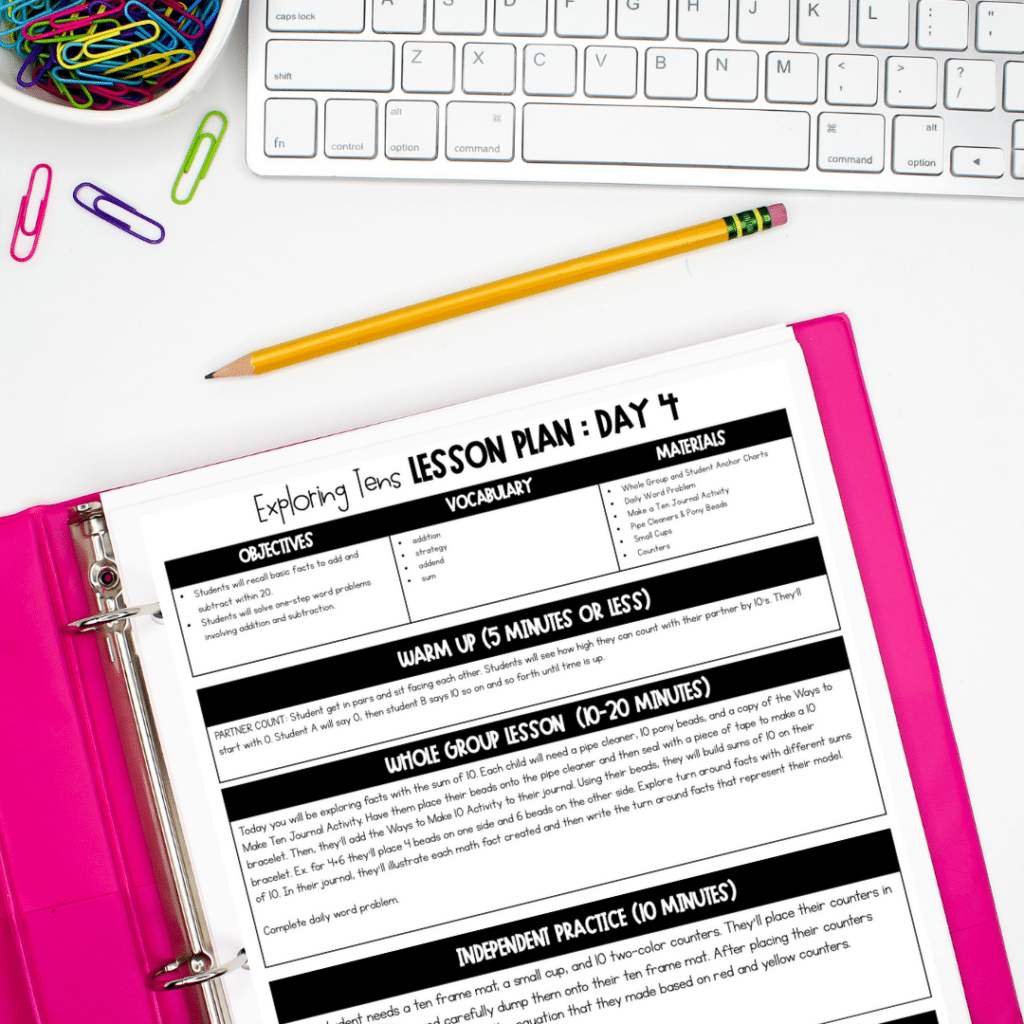
For example, your lessons may regularly include:
Not every lesson needs every component, and every activity does not need to be brand new (in fact, it shouldn’t be!).
The goal is not to create a longer lesson plan and cram as many activities into it as possible. The goal is to create a predictable planning process that helps you make decisions faster.
Here’s the thing about us teachers (myself included!)… we are professional over-planners.
We find:
…and somehow think we’re going to fit all of that into one math lesson.
But one of the biggest lessons I’ve learned is this: Simple teaching is often the most effective teaching.
Students don’t need 10 different activities to understand a concept.
They need…
Your whole group lesson doesn’t have to do everything.
Some students may be ready to move into independent practice. Others may need another model, a hands-on representation, or additional support in a small group.
When you begin with the standard and your teaching points, it’s much easier to decide what students actually need, and what you can leave out.
Once I understood how to plan backward, I also realized that purposeful lesson planning works best inside a consistent math framework.
I didn’t want to keep wondering:
I needed more than a collection of activities. I needed a structure that helped all of the pieces work together.
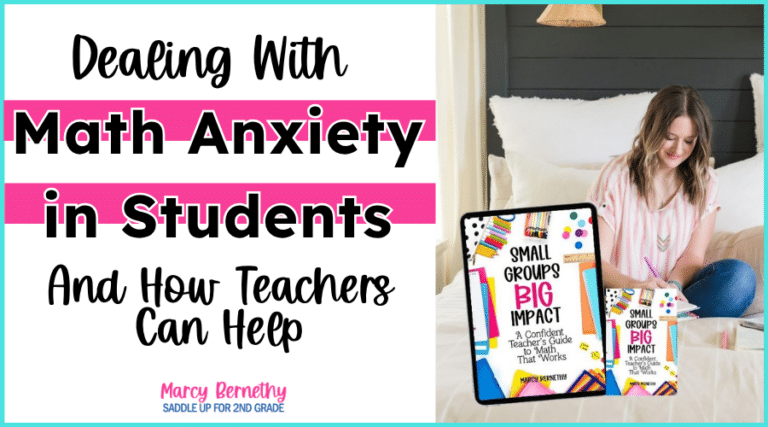
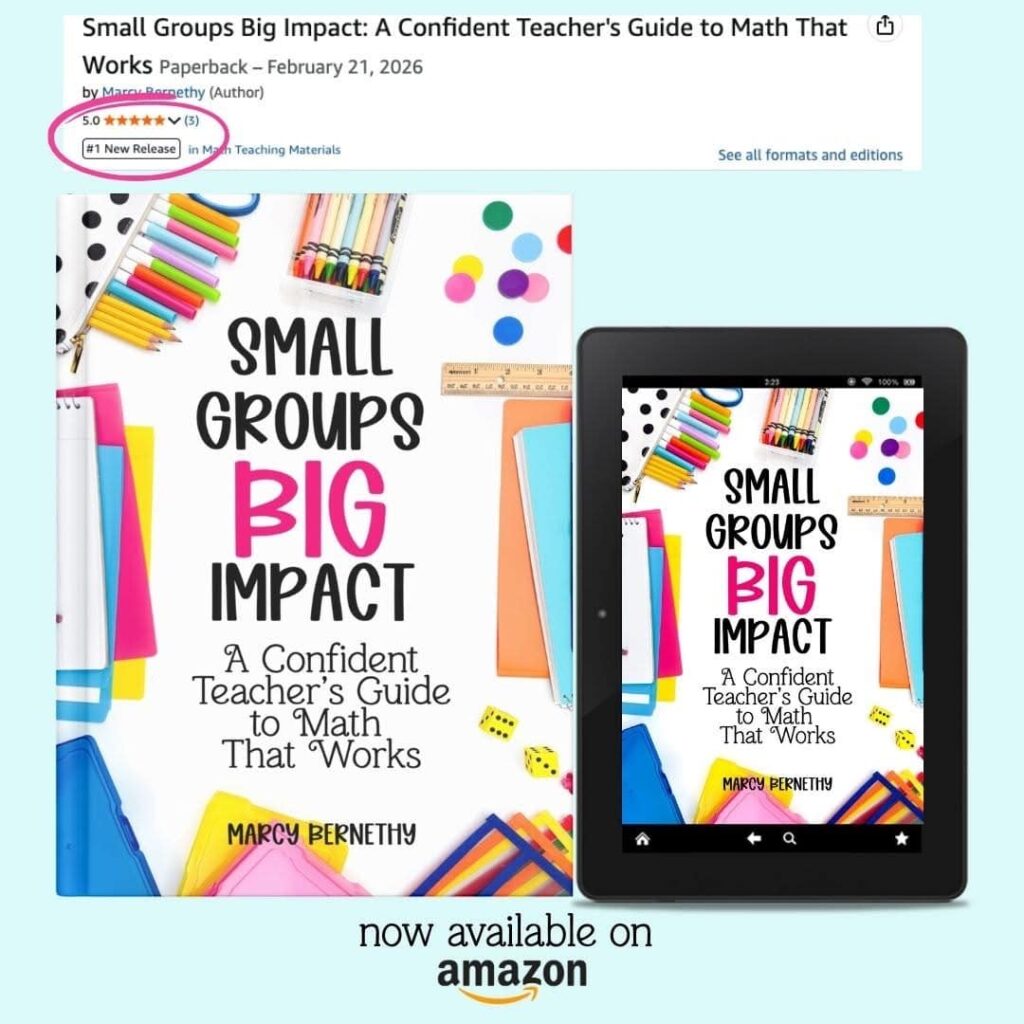
That is exactly why I wrote Small Groups, Big Impact.
The book teaches you how to build a math block that works for you and your students.
Inside, I walk you through:
It’s the roadmap I wish I had when I first started teaching math.
It helps you build the structure around your lessons so you aren’t reinventing your schedule, routines, groups, and expectations every single week.
A strong planning process helps you determine what students need to learn.
A strong math framework helps you decide when and how you’ll teach it.
But I also know that neither one magically creates Monday’s lesson materials.
You can understand the standard, identify your teaching points, and know exactly how you want your math block to run, but still find yourself sitting at your computer on Sunday night thinking, “Okay, but where am I going to find all of these resources?!”
Knowing what your students need and having the resources to teach it are two very different things.
That’s the gap I wanted to fill.
After helping thousands of teachers implement guided math, I realized that teachers didn’t just need a framework.
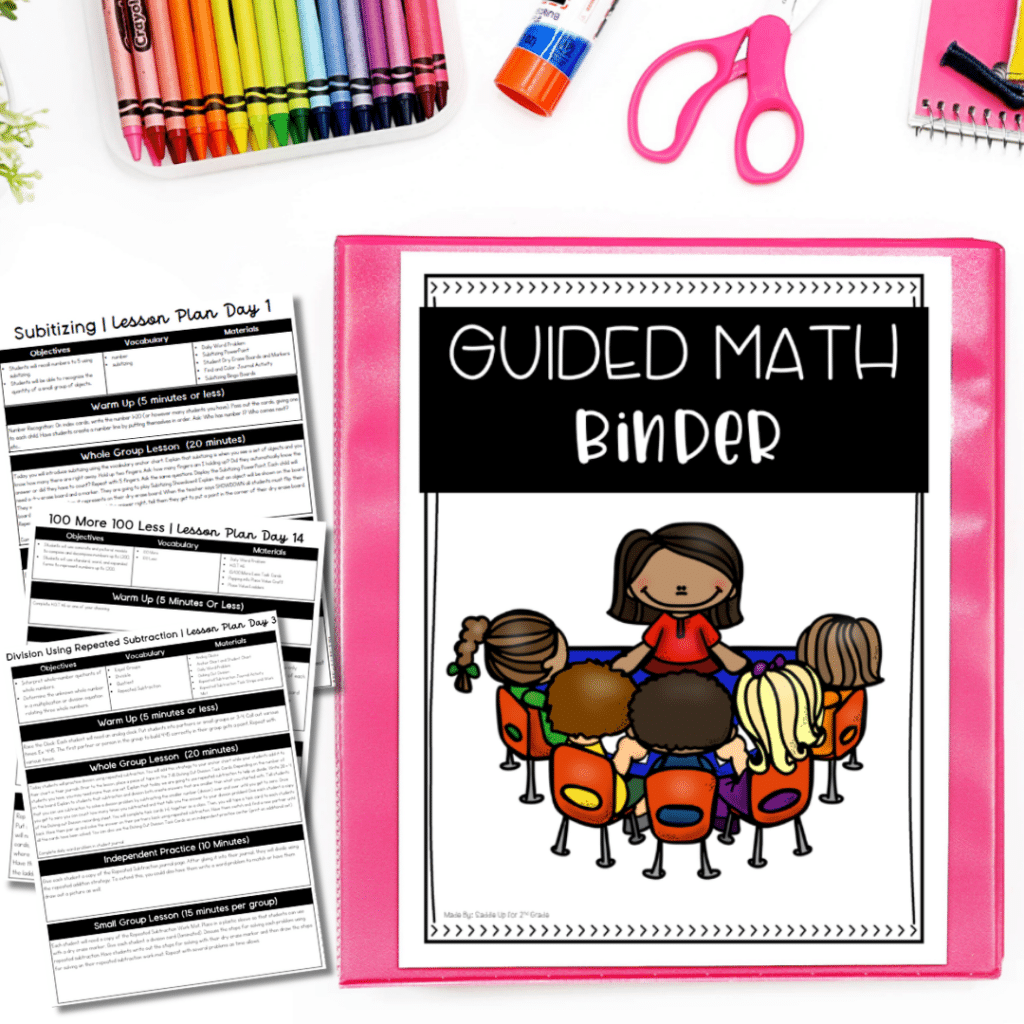
They needed ready-to-use elementary math lesson plans that actually fit inside that framework.
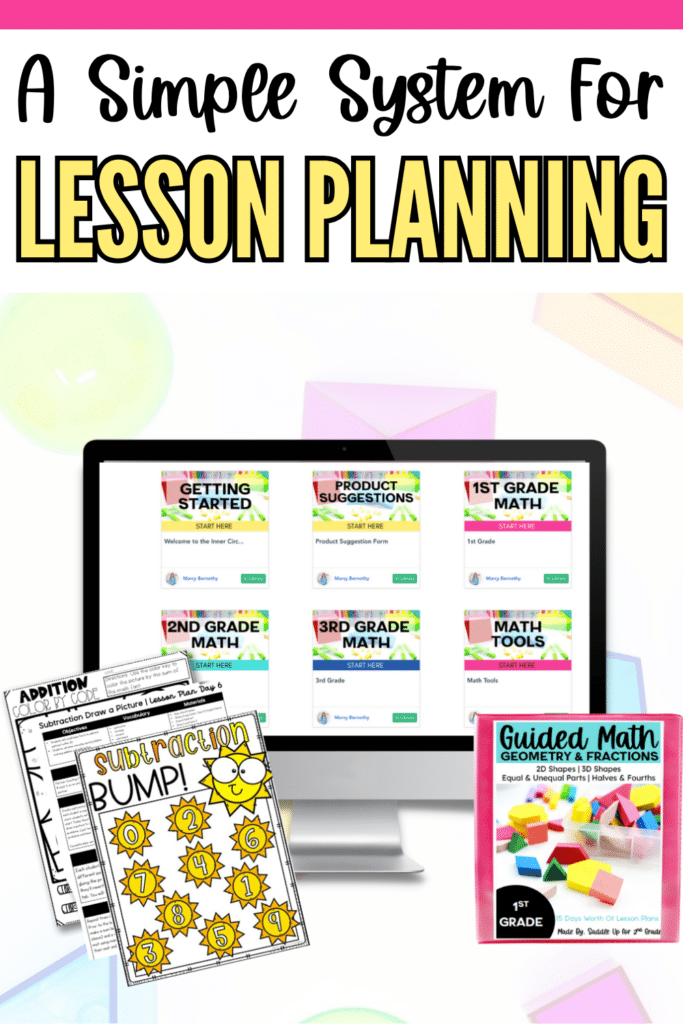
That’s exactly what you’ll find inside the Inner Circle Math Membership.
Instead of spending your evenings and weekends searching for resources, you’ll have access to:
Everything is organized by grade level and skill, so you can quickly and easily find what you need!
No bouncing between Pinterest, Teachers Pay Teachers, your curriculum, and digging through old downloads. No wondering which file you named “Math Centers FINAL Final Updated.pdf.” (Please tell me I’m not the only one who has files like that!).
Simply search the math skill you’re teaching, download what you need, print, and teach.
The planning process still begins with purposeful instruction.
The Inner Circle simply makes finding the right resources so much easier.
If you’re like many teachers, you’re probably wondering whether you should get the book or join the Inner Circle.
My honest opinion? They work together like the best teacher team (and we all know how special those are!).
Small Groups, Big Impact gives you the HOW.
It teaches you how to structure your math block, implement guided math, manage stations, use data, and teach students in purposeful small groups.
The Inner Circle gives you the WHAT.
It provides ready-to-use lessons, centers, assessments, games, and activities that help you put your plan into action.
Your backward-planning process connects the two.
Together, the book and membership help take the guesswork out of math instruction.
If you’re ready to simplify your math lesson planning and stop piecing together elementary math lessons from scratch every single week, I’d love to support you.
Learn more about the Inner Circle Math Membership.
And if you’re still building your guided math framework, start with my book, Small Groups, Big Impact. It will show you exactly how to structure a math block that reaches every learner with confidence and purpose.
Because the goal isn’t to become a better hoarder collector of math activities.
The goal is to create a simple, repeatable system that helps you spend less time planning and more time doing what matters most… teaching your students and living your life!